



Oxidative Phosphorylation
Oxidative phosphorylation is a cellular process that harnesses the reduction of oxygen to generate high-energy phosphate bonds in the form of adenosine triphosphate (ATP). It is a series of oxidation-reduction reactions that involve the transfer electrons from NADH and FADH2 to oxygen across several protein, metal, and lipid complexes in the mitochondria known as the electron transport chain (ETC). The electron transport chain utilizes NADH and FADH2 generated from several catabolic cellular processes. Also, oxidative phosphorylation utilizes elemental oxygen as the final oxidizing agent (and electron acceptor). Mitochondrial function and the electron transport chain shed light on the evolution and advancement of aerobic eukaryotic life, especially when compared to anaerobic organisms. It is the hallmark of aerobic respiration and is the reason why a plethora of lifeforms require oxygen to survive.
Most of the usable energy obtained from the breakdown of carbohydrates or fats is derived by oxidative phosphorylation, which takes place within mitochondria. For example, the breakdown of glucose by glycolysis and the citric acid cycle yields a total of four molecules of ATP, ten molecules of NADH, and two molecules of FADH2. Electrons from NADH and FADH2 are then transferred to molecular oxygen, coupled to the formation of an additional 32 to 34 ATP molecules by oxidative phosphorylation. Electron transport and oxidative phosphorylation are critical activities of protein complexes in the inner mitochondrial membrane, which ultimately serve as the major source of cellular energy[1][2].
Most of the usable energy obtained from the breakdown of carbohydrates or fats is derived by oxidative phosphorylation, which takes place within mitochondria. For example, the breakdown of glucose by glycolysis and the citric acid cycle yields a total of four molecules of ATP, ten molecules of NADH, and two molecules of FADH2. Electrons from NADH and FADH2 are then transferred to molecular oxygen, coupled to the formation of an additional 32 to 34 ATP molecules by oxidative phosphorylation. Electron transport and oxidative phosphorylation are critical activities of protein complexes in the inner mitochondrial membrane, which ultimately serve as the major source of cellular energy[1][2].
All Product Categories
-
Oxidative Phosphorylation Related Products (113)
Related Products (113)

-
CCCP
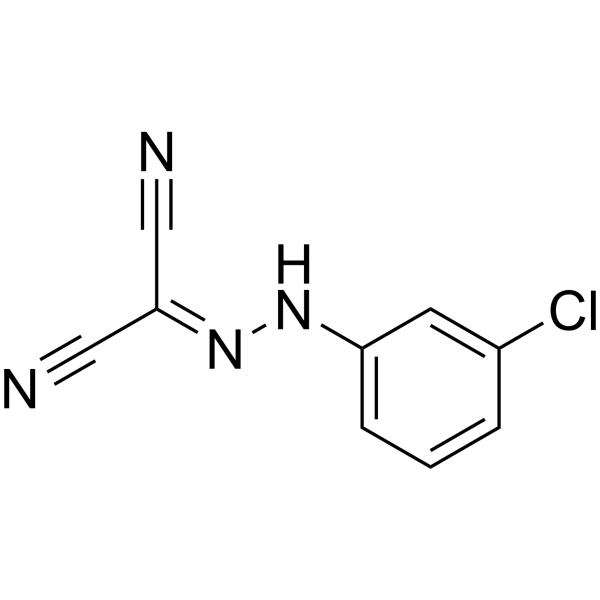 0 ImagesSynonyms: Carbonyl cyanide 3-chlorophenylhydrazone; Carbonyl Cyanide m-ChlorophenylhydrazoneCCCP is an oxidative phosphorylation (OXPHOS) uncoupler. CCCP induces activation of PINK1 leading to Parkin Ser65 phosphorylation.
-
FCCP
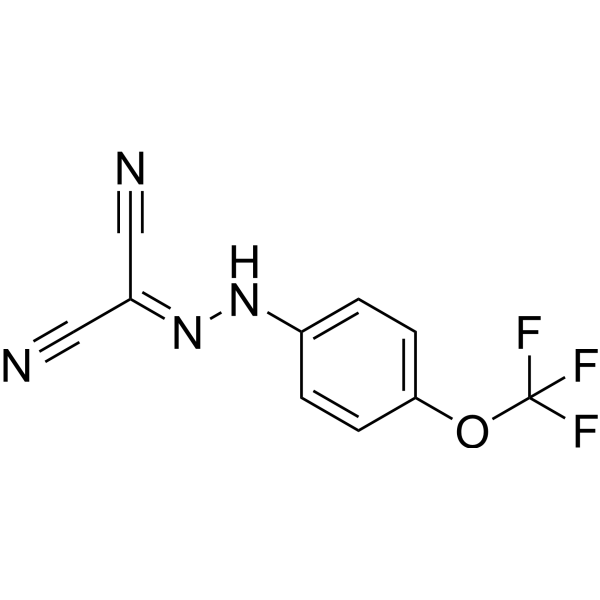 0 ImagesSynonyms: Carbonyl cyanide 4-(trifluoromethoxy)phenylhydrazoneFCCP is an uncoupler of oxidative phosphorylation (OXPHOS) in mitochondria. FCCP induces activation of PINK1 leading to Parkin Ser65 phosphorylation.
-
Oligomycin
 0 ImagesOligomycin, an antifungal antibiotic, is an inhibitor of H+-ATP-synthase. Oligomycin blocks oxidative phosphorylation and the electron transport chain. Oligomycin inhibits HIF-1alpha expression in hypoxic tumor cells.
-
Calcimycin
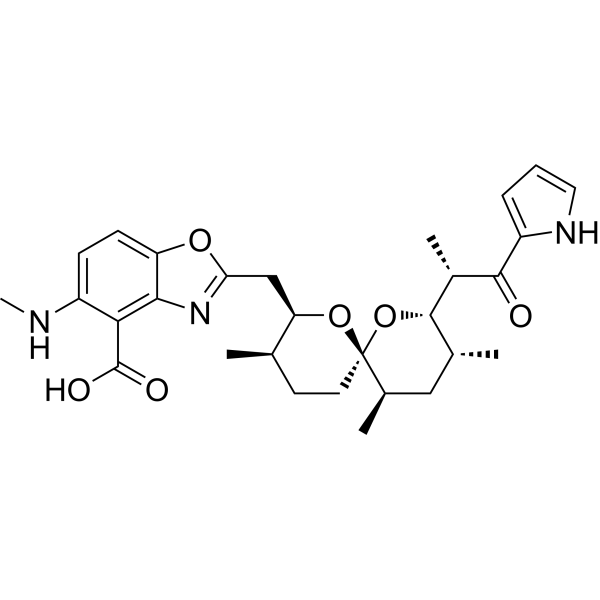 0 ImagesSynonyms: A-23187; Antibiotic A-23187Calcimycin (A-23187) is an antibiotic and a unique divalent cation ionophore (like calcium and magnesium). Calcimycin induces Ca2+-dependent cell death by increasing intracellular calcium concentration. Calcimycin inhibits the growth of Gram-positive bacteria and some fungi. Calcimycin also inhibits the activity of ATPase and uncouples oxidative phosphorylation (OXPHOS) of mammalian cells. Calcimycin induces apoptosis and autophagy.
-
IACS-010759
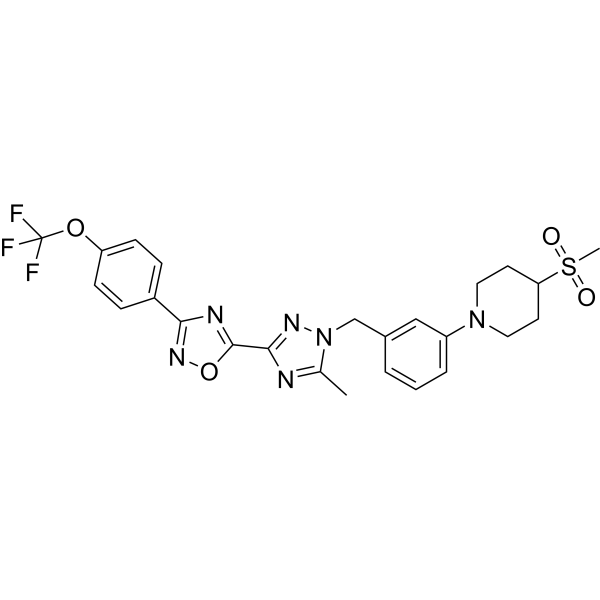 0 ImagesSynonyms: IACS-10759IACS-010759 is an orally active, potent mitochondrial complex I of oxidative phosphorylation (OXPHOS) inhibitor. IACS-010759 inhibits proliferation and induces apoptosis in models of brain cancer and acute myeloid leukemia (AML) reliant on OXPHOS. IACS-010759 has the potential for relapsed/refractory AML and solid tumors research.
-
GT19630
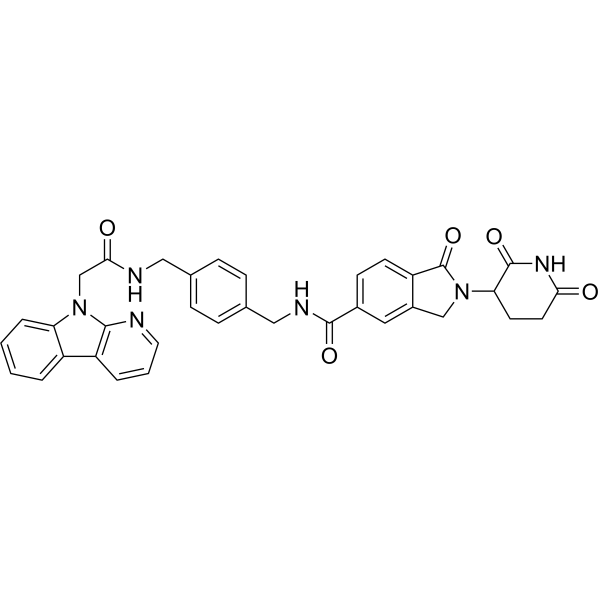 0 ImagesGT19630 is an orally active c-Myc PROTAC targeted degrader based on the cereblon E3 ubiquitin ligase, with an IC50 of 1.5 nM against human c-Myc. GT19630 mediates the degradation of MYC, GSPT1, GSPT2, CK1 alpha, N-Myc, B7-H3 and XIAP, and disrupts the MYC-GSPT1 synergistic regulatory feedback loop. GT19630 inhibits cell proliferation, blocks S-phase progression of the cell cycle, promotes cell apoptosis, reduces cell migration capacity, induces integrated stress response, and blocks oxidative phosphorylation by inhibiting the TCA cycle. GT19630 can be used in the research of Myc-driven hematological cancers, small cell lung cancer, breast cancer, TP53-mutant cancers, and venetoclax-resistant cancers.
-
Menadiol
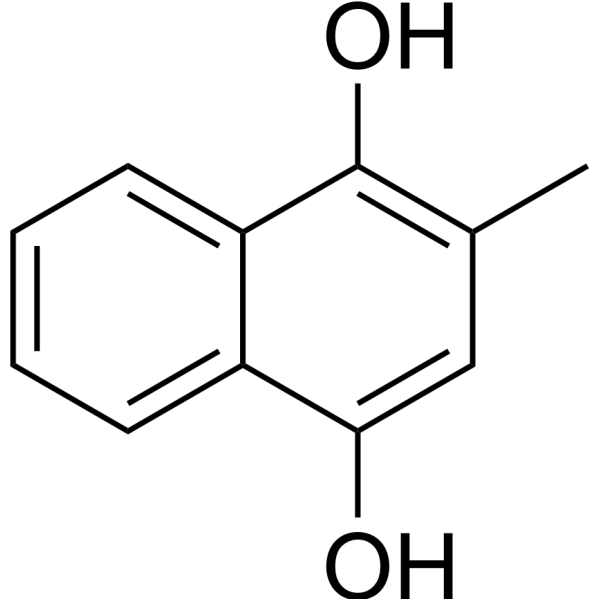 0 ImagesCat. No.: HY-W128525CAS No.: 481-85-6Synonyms: Dihydrovitamin K3Menadiol (Dihydrovitamin K3) is a menadione analog that acts as an electron donor. Menadiol transfers electrons to the heme bL of E. coli nitrate reductase A and, via heme bH, to the catalytic NarGH dimer. Menadiol drives ATP-dependent NAD⁺ reduction (reverse electron transport) in submitochondrial particles. Menadiol selectively inhibits the growth of lymphoid tumor cells. Menadiol enhances the growth-inhibitory effects of Mechlorethamine, Vincristine (HY-N0488A), and Dexamethasone (HY-14648) on tumor cells, converting a drug-resistant phenotype to a sensitive phenotype. Menadiol is used in research related to lymphoid tumors.
-
Acetyl Coenzyme A trisodium
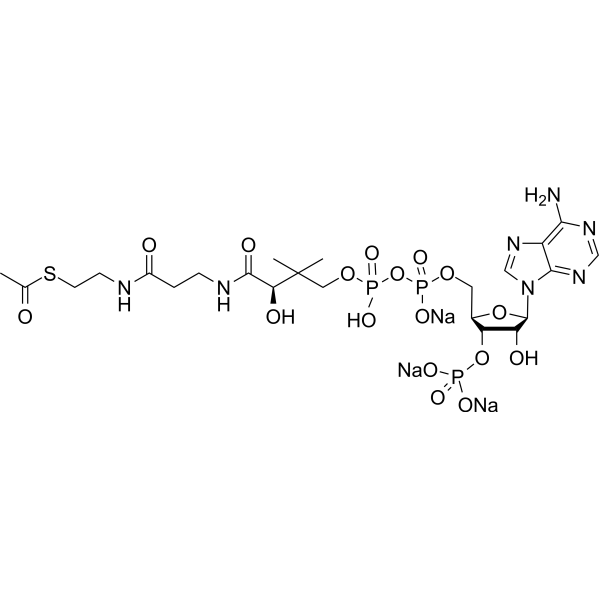 0 ImagesSynonyms: Acetyl-CoA trisodiumAcetyl-coenzyme A (Acetyl-CoA) trisodium is a membrane-impermeant central metabolic intermediate, participates in the TCA cycle and oxidative phosphorylation metabolism. Acetyl-coenzyme A trisodium, regulates various cellular mechanisms by providing (sole donor) acetyl groups to target amino acid residues for post-translational acetylation reactions of proteins. Acetyl Coenzyme A trisodium is also a key precursor of lipid synthesis.
-
IMT1
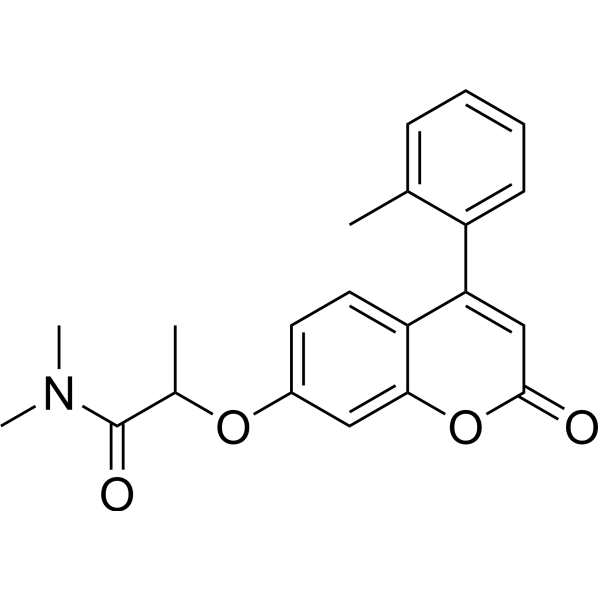 0 ImagesIMT1 is a first-in-class specific and noncompetitive human mitochondrial RNA polymerase (POLRMT) inhibitor. IMT1 causes a conformational change of POLRMT, which blocks substrate binding and transcription in a dose-dependent way in vitro. IMT1 reduces deoxynucleoside triphosphate levels and citric acid cycle intermediates, resulting in a marked depletion of cellular amino acid levels. IMT1 has the potential for mitochondrial transcription disorders related diseases.
-
Camibirstat
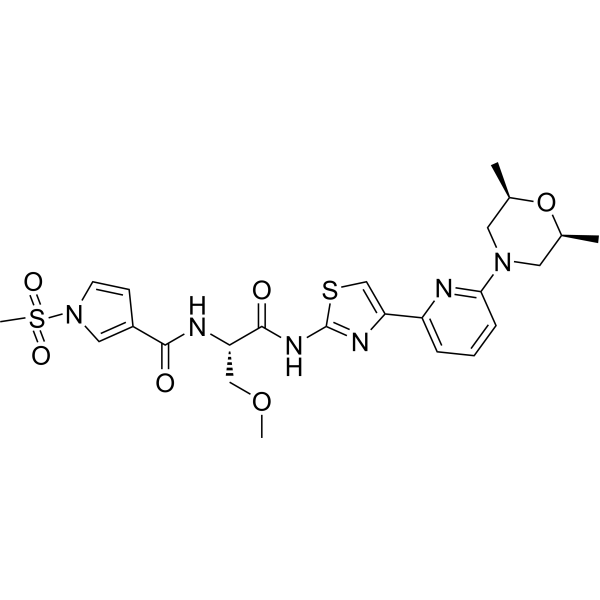 0 ImagesSynonyms: FHD-286FHD-286 is a selective, oral inhibitor of SMARCA4/SMARCA2 ATPase (BRG1 and BRM) inhibitor. FHD-286 has the potential for the research of BAF (BRG1/BRM-associated factor)-related disorders such as acute myeloid leukemia.
-
BAM 15
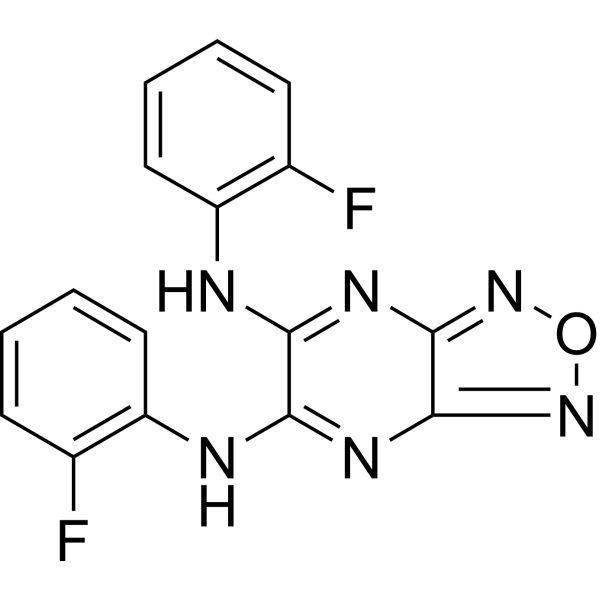 0 ImagesBAM 15 is a mitochondrial protonophore uncoupler. BAM 15 is an oxidative phosphorylation (OXPHOS) uncoupler.
-
S3QEL-2
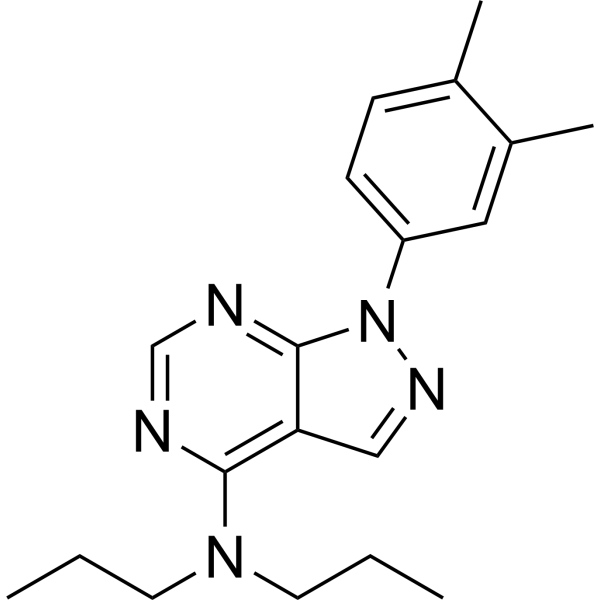 0 ImagesS3QEL-2, a suppressor of superoxide production from mitochondrial complex III, potently and selectively suppresses site IIIQo superoxide production (IC50=1.7 μM). S3QEL-2 does not affect oxidative phosphorylation, and normal electron flux. S3QEL-2 inhibits HIF-1α accumulation.
-
Gboxin
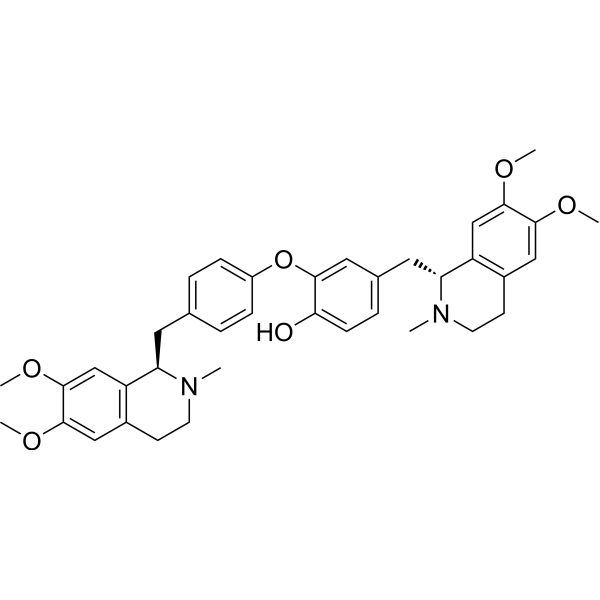
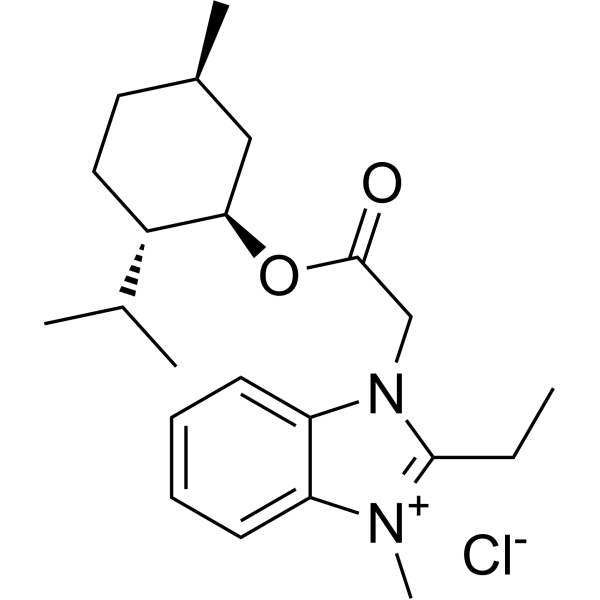 0 ImagesGboxin is an oxidative phosphorylation (OXPHOS) inhibitor that targets glioblastoma. Gboxin inhibits the activity of F0F1 ATP synthase. Antitumour activity.
-
IACS-010759 hydrochloride
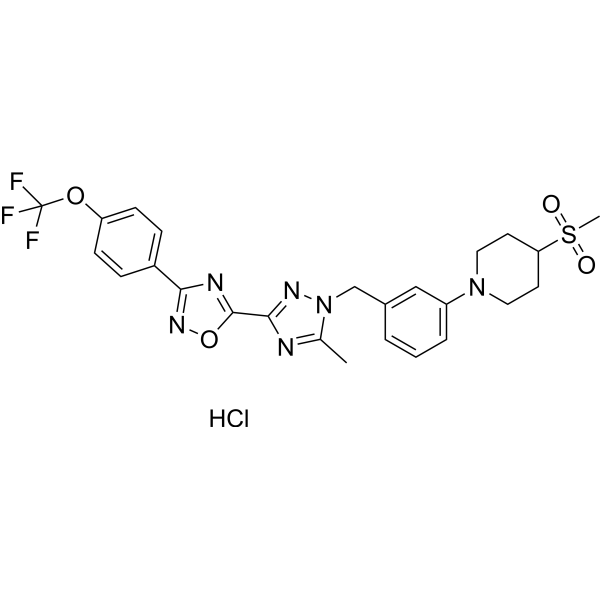 0 ImagesSynonyms: IACS-10759 hydrochlorideIACS-010759 hydrochlorideis an orally active, potent mitochondrial complex I of oxidative phosphorylation (OXPHOS) inhibitor. IACS-010759 hydrochlorideinhibits proliferation and induces apoptosis in models of brain cancer and acute myeloid leukemia (AML) reliant on OXPHOS. IACS-010759 hydrochloride has the potential for relapsed/refractory AML and solid tumors research.
-
Mitochonic acid 5
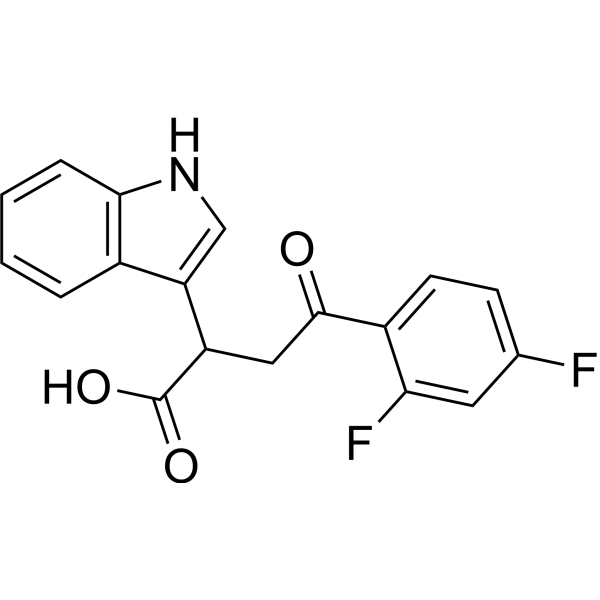 0 ImagesSynonyms: MA-5Mitochonic acid 5 binds mitochondria and ameliorates renal tubular and cardiac myocyte damage. Mitochonic acid 5 modulates mitochondrial ATP synthesis.
-
VLX600
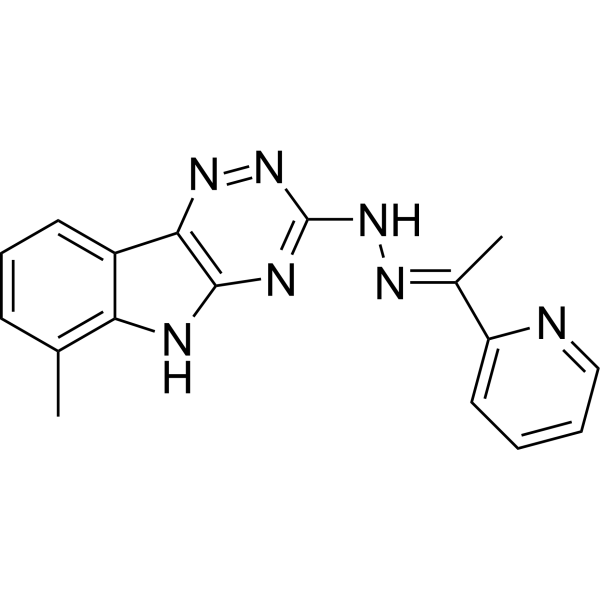 0 ImagesVLX600 is an iron-chelating inhibitor of oxidative phosphorylation (OXPHOS). VLX600 causes mitochondrial dysfunction and induces a strong shift to glycolysis. VLX600 displays selective cytotoxic activity against malignant cell and induces autophagy. Anticancer activity.
-
TYA-018
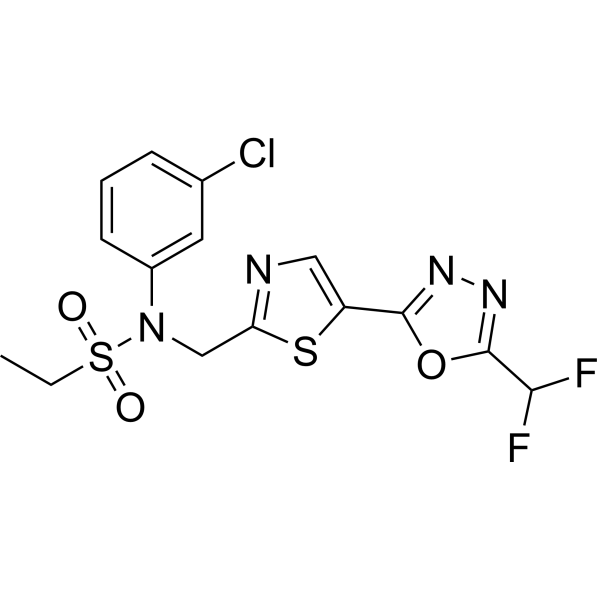 0 ImagesTYA-018 is an orally active, potent and highly selective HDAC6 inhibitor. TYA-018 can protect heart function in mice. TYA-018 also enhances energetics in mice by increasing expression of targets associated with fatty acid metabolism, protein metabolism, and oxidative phosphorylation.
-
Cyanine5 alkyne
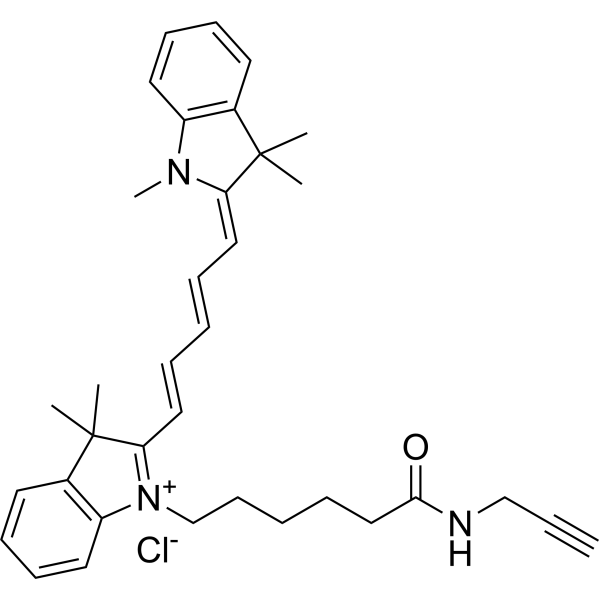 0 ImagesSynonyms: Alkyne-Cy5Cyanine5 alkyne (Alkyne-Cy5) is a fluorescent dye used to label azide proteins and can be used to analyse post-translational modifications of proteins, glycosylation etc. Cyanine5 alkyne can also be used as a mitochondrial OXPHOS inhibitor to inhibit the growth of cancer stem cells (CSC). Cyanine5 alkyne is a click chemistry reagent, it contains an Alkyne group and can undergo copper-catalyzed azide-alkyne cycloaddition (CuAAc) with molecules containing Azide groups.



